The copper grades you will actually be quoted
| Grade | UNS | Key characteristic | Typical use |
|---|---|---|---|
| ETP — Electrolytic Tough Pitch | C11000 | ≥99.90% Cu, ~101% IACS conductivity, contains residual oxygen | Busbars, electrical conductors, strips, wire |
| DHP — Phosphorus Deoxidised, High Residual P | C12200 | Oxygen removed with phosphorus; excellent brazing and welding | Plumbing tube, ACR tube, heat exchangers |
| DLP — Phosphorus Deoxidised, Low Residual P | C12000 | Deoxidised with minimal conductivity loss | Applications needing both brazing and conductivity |
| OFE / OFHC — Oxygen Free | C10100 / C10200 | Oxygen-free, highest purity and hydrogen resistance | Vacuum, semiconductor, high-reliability electronics |
The distinction that catches people out is oxygen. ETP copper contains a small amount of residual oxygen as cuprous oxide. Heat it above roughly 400 °C in a hydrogen-bearing or reducing atmosphere and the hydrogen reacts with that oxide to form steam inside the metal, cracking it from within — hydrogen embrittlement. DHP copper has the oxygen chemically removed with phosphorus, which is exactly why plumbing and refrigeration tube, which is brazed on site, is made from C12200 rather than C11000.
Copper tube standards: B88, B280 and B111
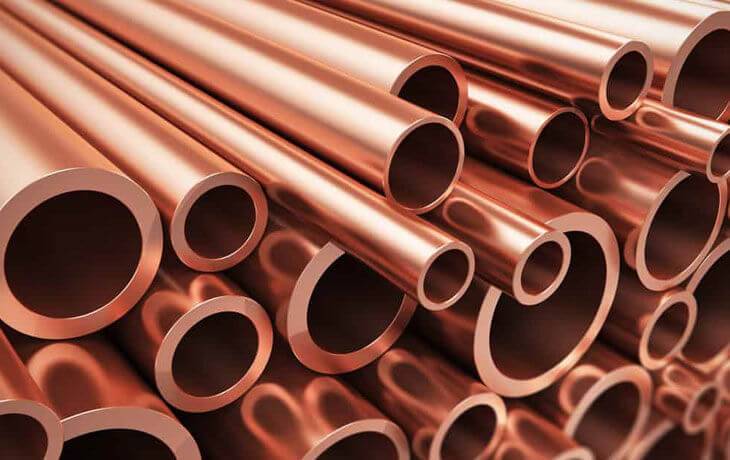
Three ASTM specifications cover the great majority of copper tube purchased for building services and process plant, and they are not interchangeable.
| Standard | Covers | Sizing convention | Typical application |
|---|---|---|---|
| ASTM B88 | Seamless copper water tube | Nominal size; OD is 1/8" larger than nominal | Potable water, plumbing, general fluid lines |
| ASTM B280 | Seamless copper tube for air conditioning & refrigeration (ACR) | Actual outside diameter | HVAC, refrigeration field service, split AC lines |
| ASTM B111 | Copper and copper alloy seamless condenser tube and ferrule stock | Actual OD and wall gauge | Condensers, heat exchangers, evaporators |
ASTM B88 tube is graded by wall thickness rather than by grade, and the types are colour-coded in the trade:
- ▸Type K — heaviest wall. Underground service lines, buried mains, high-pressure duty.
- ▸Type L — medium wall. The general-purpose choice for interior water distribution and HVAC.
- ▸Type M — thinnest of the pressure types. Low-pressure interior water lines where codes permit.
- ▸DWV — drain, waste and vent. Non-pressure drainage only.
Temper: hard drawn, half hard and annealed
- ▸Hard drawn (H58) — rigid straight lengths, higher strength, needs fittings at every direction change. Standard for exposed plumbing risers and busbar stock.
- ▸Half hard (H55) — a compromise where limited forming is needed.
- ▸Annealed / soft (O60) — supplied in coils, bendable by hand or with a former. Standard for ACR line sets, instrument lines and underground runs where joints are undesirable.
Temper affects allowable working pressure as well as formability, so always state it on the enquiry — "1/2 inch copper tube" without a temper and standard reference is not a specification a mill can price accurately.
Copper strips, sections and busbar profiles
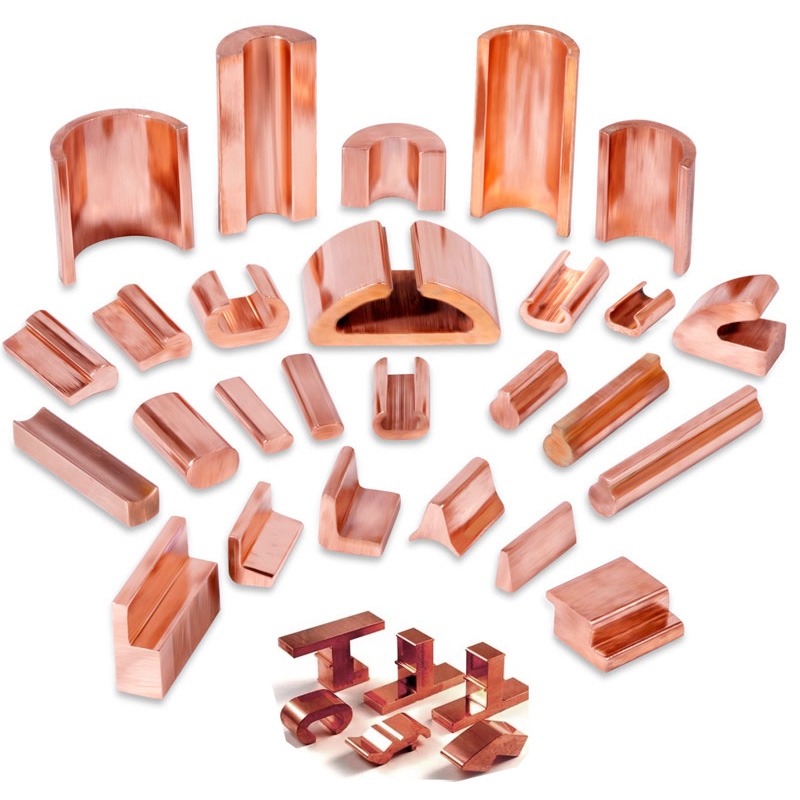
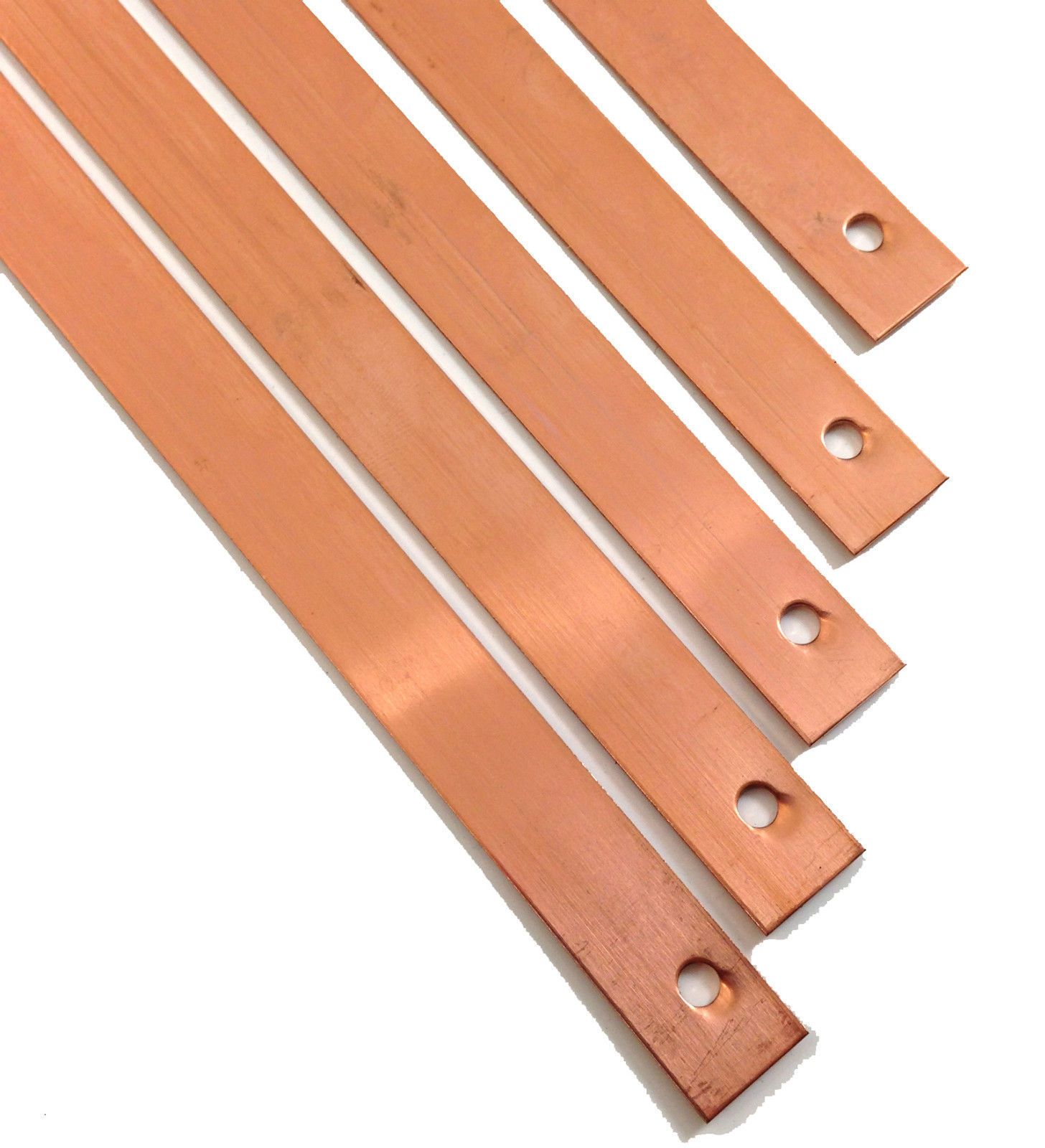
Beyond tube, copper is supplied as flat strip, rectangular busbar and drawn profiles. Here the driver is almost always conductivity, so ETP C11000 dominates, with oxygen-free grades used where reliability requirements are highest.
- ▸Busbars for switchgear, panel boards, substations and electrolysis plant — supplied to size with edges radiused as required.
- ▸Earthing strips and lightning protection tape.
- ▸Copper sections and profiles for transformers, commutators, and current-carrying hardware.
- ▸Copper strips for heat sinks, roofing, gaskets and pressed components.
When enquiring for busbar, quote the cross-section, temper, length, edge condition and any plating (tin or silver) requirement — plated busbar has a substantially longer lead time than bright copper.
Copper wire and super enamelled winding wire
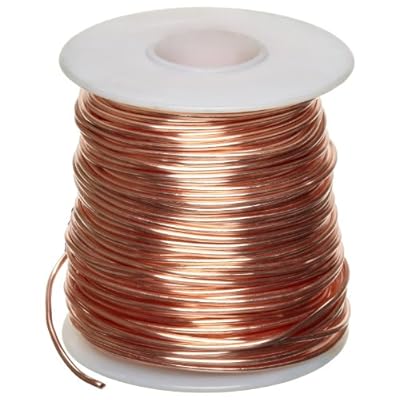
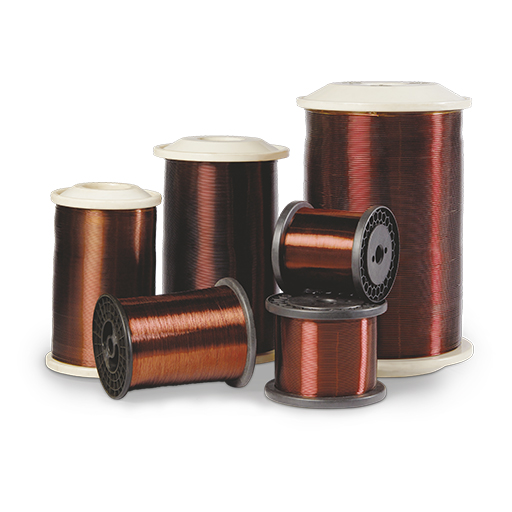
Bare copper wire is specified simply by diameter, temper and grade. Enamelled — or "super enamelled" — winding wire adds a polymer insulation film, and this is where specification detail matters, because the enamel determines the thermal life of the motor or transformer it is wound into.
| Thermal class | Typical enamel | Typical application |
|---|---|---|
| 155 (Class F) | Polyester / modified polyester | General-purpose motors, small transformers |
| 180 (Class H) | Polyesterimide | Industrial motors, ballasts, higher-duty windings |
| 200 (Class C-ish) | Polyesterimide with polyamide-imide overcoat | Hermetic compressor motors, high-temperature duty |
| 220 | Polyamide-imide topcoat systems | Traction motors, aerospace, severe thermal duty |
- ▸State conductor diameter to the standard you work in — SWG, AWG or metric IEC 60317 sizes.
- ▸State grade of build (Grade 1, 2 or 3), which sets the enamel film thickness and the breakdown voltage.
- ▸State whether self-bonding or solderable enamel is required — it changes the mill product entirely.
Where brass fits in
Brass is copper alloyed with zinc, and it is chosen when machinability, wear behaviour or cost matter more than pure conductivity. Free-cutting brass rod (typically CuZn39Pb3 / C38500) machines far faster than copper, which is why fittings, valve bodies, sanitary fittings and turned components are made from it. Admiralty and aluminium brass tubes are specified for condenser and heat-exchanger duty in water-cooled service.
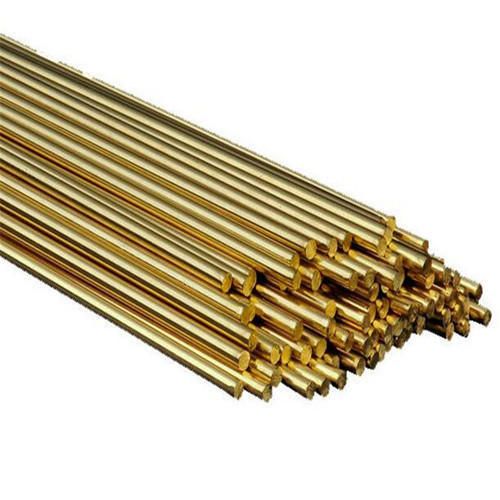
- ▸Brass rods — hex, round and square, for CNC-turned components, fasteners and fittings.
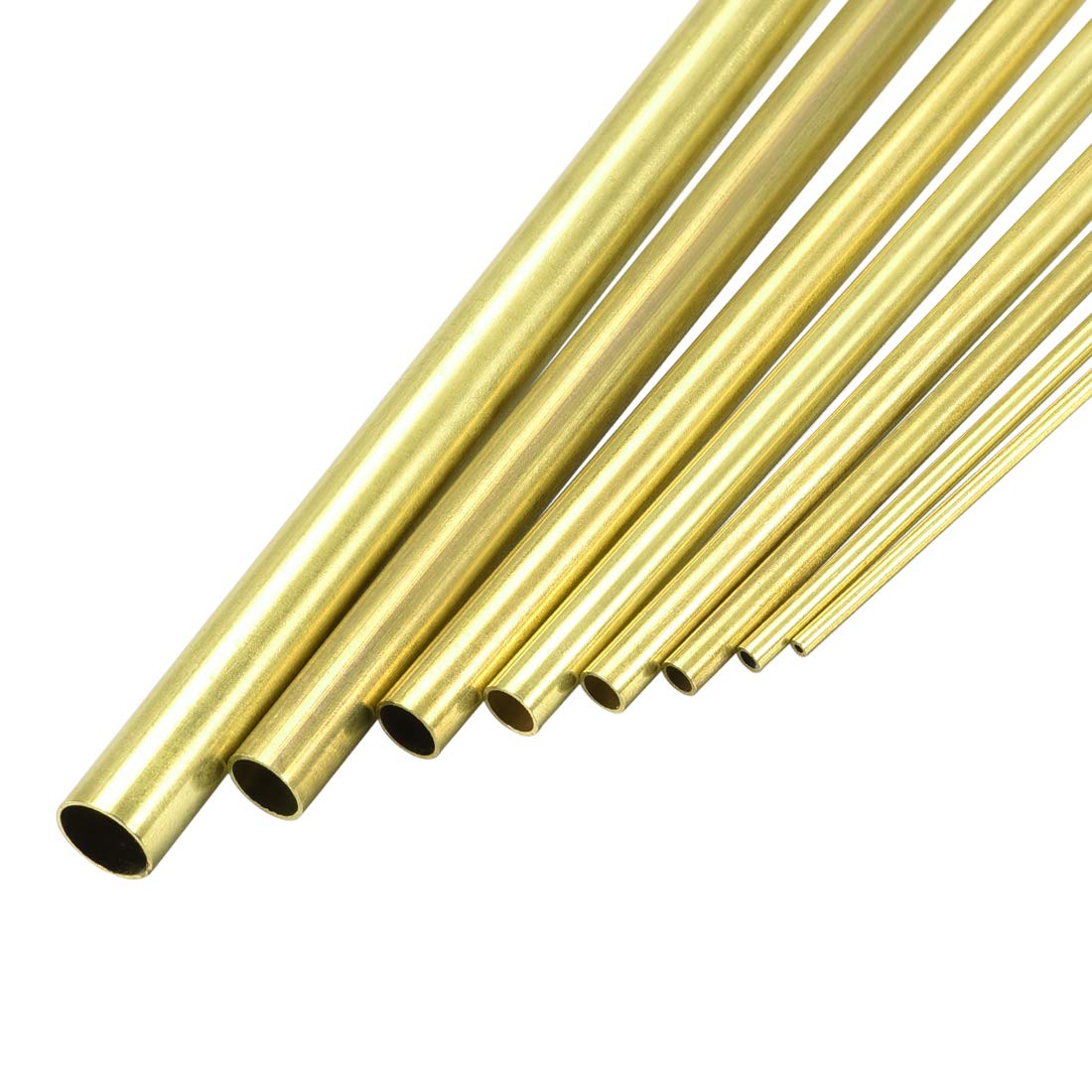
- ▸Brass tubes — heat exchanger, condenser and decorative applications.
- ▸Dezincification-resistant grades where potable water contact is prolonged.
Ritvik Metal Impex supplies copper tubes, copper tube sections, copper strips and profiles, copper wires, super enamelled copper wires, brass tubes and brass rods, sourced from established mills and despatched with test certificates.