What makes a stainless steel "duplex"
Austenitic grades such as 304 and 316 have a single-phase face-centred cubic structure. Duplex grades are deliberately balanced to hold approximately equal proportions of austenite and ferrite. That mixed microstructure delivers three things at once: the ferrite contributes high strength and resistance to chloride stress corrosion cracking, the austenite contributes toughness and general corrosion resistance, and the reduced nickel content makes the grade less exposed to nickel price swings than 316.
The practical consequence for a designer is wall thickness. With yield strength roughly double that of 316L, a duplex pipe or vessel can often be specified thinner for the same pressure — recovering a meaningful part of the higher per-kilogram price in reduced weight, smaller supports and lower welding volume.
2205 and 2507 side by side
| Property | Duplex 2205 (S31803 / S32205) | Super Duplex 2507 (S32750) |
|---|---|---|
| Chromium | ~22% | ~25% |
| Nickel | ~5.5% | ~7% |
| Molybdenum | ~3% | ~4% |
| Nitrogen | ~0.17% | ~0.27% |
| PREN | 33 – 36 | 40 – 43 |
| Yield strength, 0.2% (min) | 450 MPa | 550 MPa |
| Tensile strength (min) | 620 MPa | 795 MPa |
| Chloride capability | Medium to high chloride; brackish water | Natural seawater (~19,000 ppm Cl⁻) |
| Practical upper temperature | ~300 °C | ~300 °C |
| Relative cost | Baseline | 30 – 50% higher |
When 2205 is the right answer
- ▸Onshore chemical and petrochemical process piping where 316L is marginal on chlorides.
- ▸Heat exchangers and process tanks handling brackish or moderately chlorinated water.
- ▸Pulp and paper bleaching plant, where both chlorides and abrasion are present.
- ▸Storage tanks and pressure vessels where the strength advantage allows a thinner shell.
- ▸Structural and topside applications in coastal atmospheres.
In these environments 2205 typically delivers the required service life at a materially lower cost than super duplex, and it is far more widely stocked — which matters when you need delivery in days rather than months.
When super duplex 2507 earns its premium
- ▸Seawater cooling, firewater and subsea systems in continuous contact with untreated seawater.
- ▸Desalination plants — high chloride concentration combined with elevated temperature.
- ▸Offshore oil and gas: umbilicals, manifolds, risers and sour-service components.
- ▸Concentrated brine handling and high-chloride evaporator duty.
- ▸Any service where 2205 has already been shown to pit or crevice-corrode in practice.
The useful rule: 2507 buys you either 2–3× the chloride concentration at a given temperature, or approximately 15–20 °C more temperature headroom at a given chloride level. If your duty sits comfortably inside 2205's envelope, the extra 30–50% is not returning anything.
Fabrication and welding: where duplex projects go wrong
Duplex performance depends entirely on maintaining the austenite–ferrite balance. Get the thermal cycle wrong and the phase ratio shifts or brittle intermetallic phases form, and the material you installed no longer behaves like the material you specified.
- ▸Control heat input. Too low and the weld metal becomes excessively ferritic and loses toughness; too high and sigma phase can precipitate. Follow a qualified WPS.
- ▸Avoid prolonged exposure between roughly 600 °C and 1,000 °C, where sigma phase forms — super duplex is considerably more sensitive here than 2205.
- ▸Use over-alloyed filler metals (typically 2209 for 2205, 2594 for 2507) so weld metal corrosion resistance matches or exceeds the parent material.
- ▸Solution anneal and water quench after hot forming, then pickle and passivate to restore the passive film.
- ▸Verify ferrite content and corrosion performance where the specification calls for it — ASTM A923 and ASTM G48 testing are common project requirements on super duplex.
Availability, forms and sourcing in India
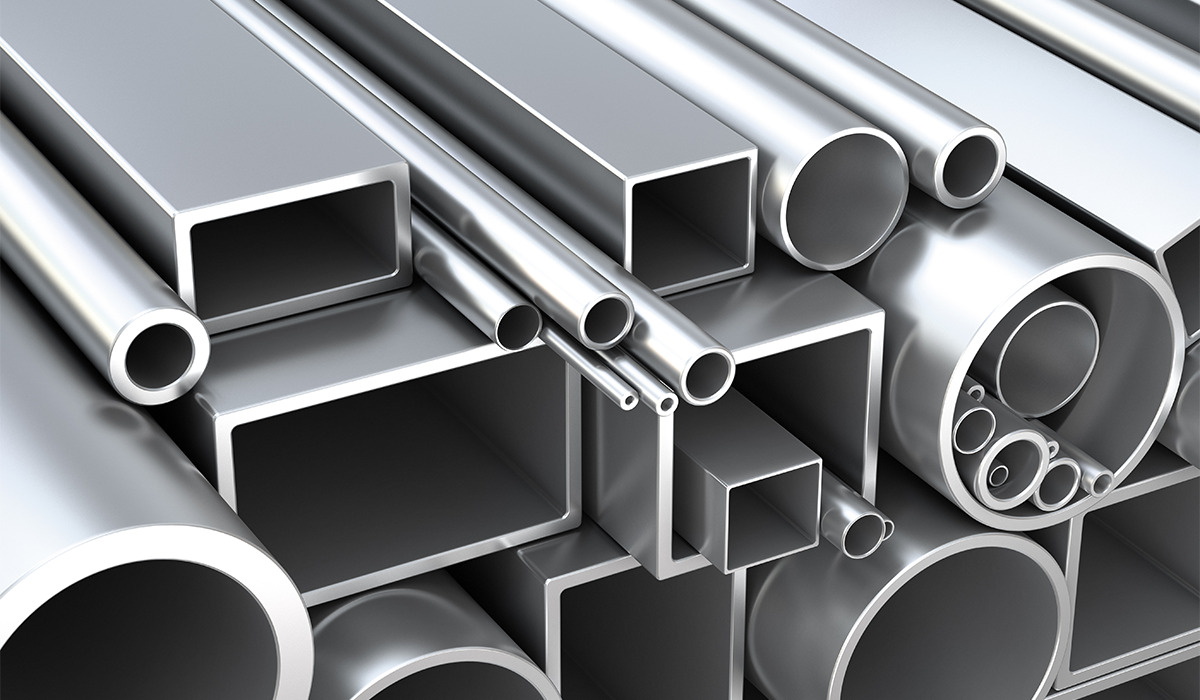
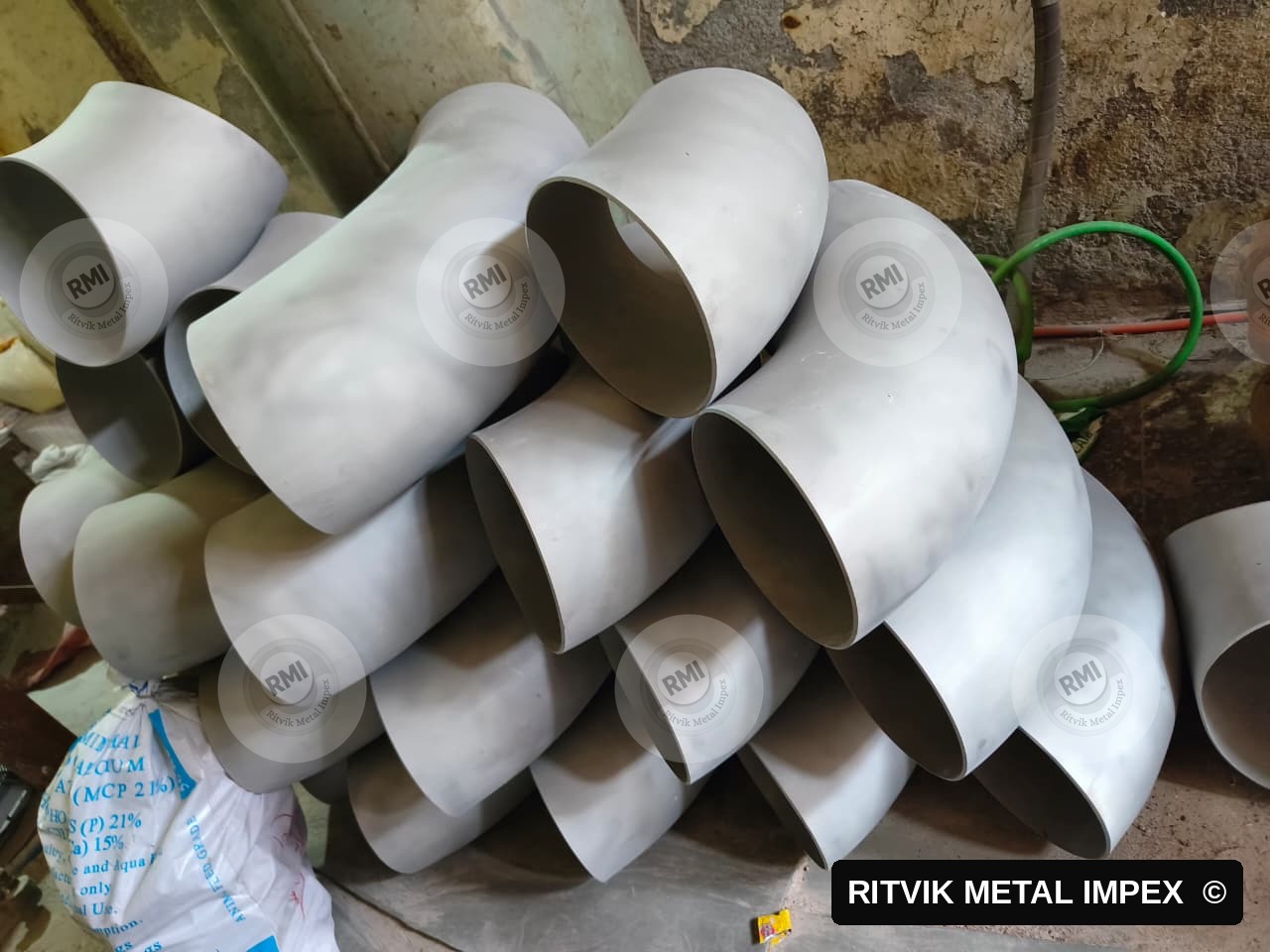
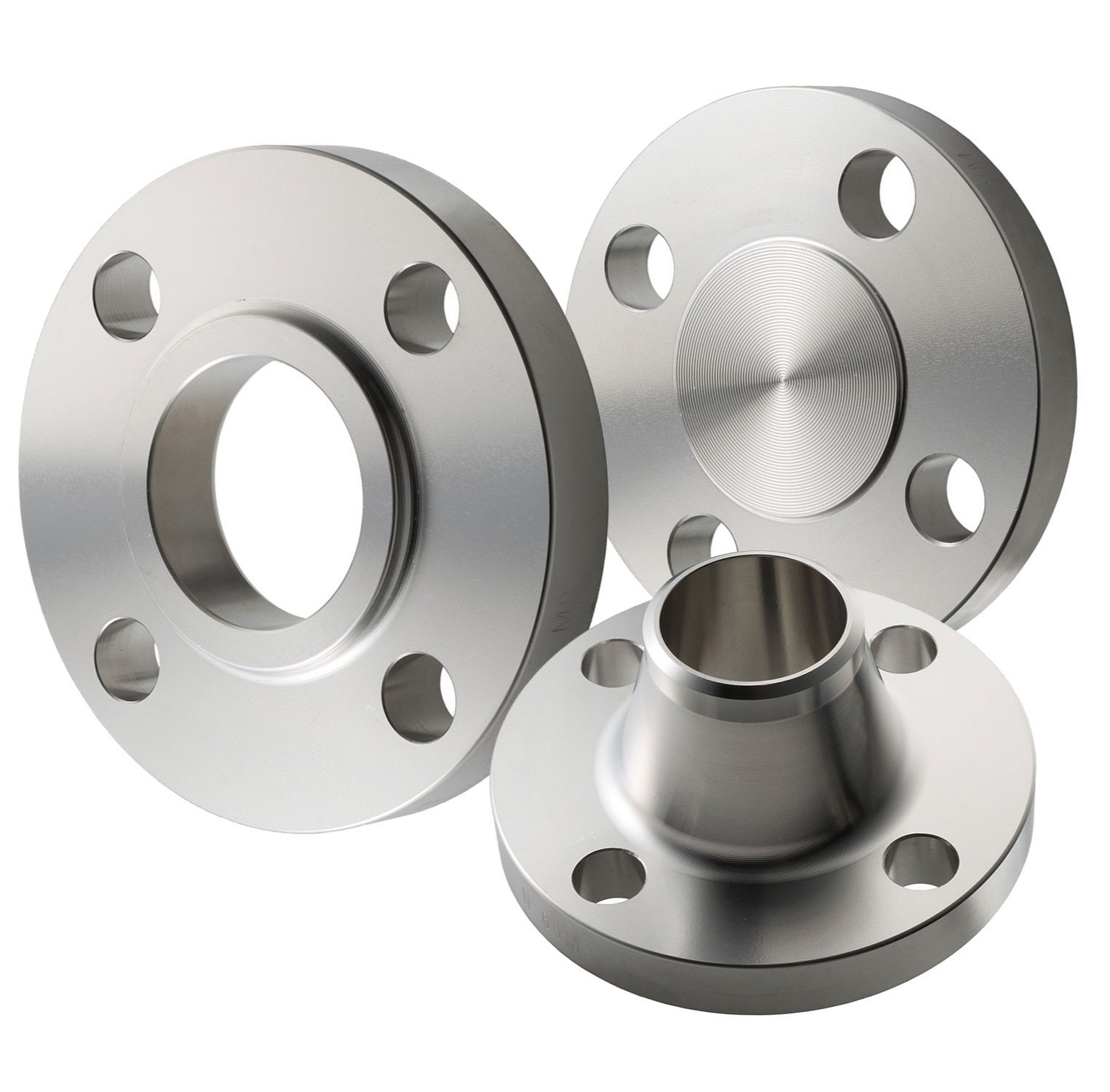
Duplex and super duplex are supplied in the same product forms as austenitic stainless: seamless and welded pipe (ASTM A790 / A928), buttweld fittings (ASTM A815), forged fittings and flanges (ASTM A182 F51 for 2205, F53/F55 for super duplex), plate and sheet (ASTM A240), and bars (ASTM A276 / A479).
Ritvik Metal Impex stocks and sources duplex UNS S31803/S32205 and super duplex UNS S32750/S32760 across pipes, fittings, flanges, plates and bars, supplied with mill test certificates and, where required, third-party inspection by agencies such as Bureau Veritas, TÜV, DNV, SGS and Lloyd's Register.