The actual difference is alloying, not quality
Grade 2 is commercially pure titanium. "Pure" here means unalloyed — it still carries controlled amounts of oxygen, iron, carbon, nitrogen and hydrogen, and those interstitials are what set its strength. Grade 5 is Ti-6Al-4V: roughly 6% aluminium and 4% vanadium, which raise strength by a factor of two and a half at the cost of ductility and weldability.
The grade numbers are not a quality ladder. Grade 5 is not a better Grade 2. They are different materials chosen for different reasons, and in a corrosive process line Grade 2 is usually the correct and cheaper answer.
| Property | Grade 2 (R50400) | Grade 5 (R56400) | What it means in practice |
|---|---|---|---|
| Composition | Unalloyed | Ti-6Al-4V | Grade 5 is heat-treatable; Grade 2 is not |
| Tensile strength | 345 MPa min | 895 MPa min | Grade 5 carries roughly 2.5x the load |
| Yield strength | 275 – 450 MPa | 828 MPa min | Grade 5 for high-stress parts |
| Elongation | 20% min | 10% min | Grade 2 forms and bends far more readily |
| Density | 4.51 g/cm³ | 4.43 g/cm³ | Effectively the same |
| Weldability | Excellent | Requires qualified procedure | The deciding factor on fabricated plant |
| Relative cost | Lower | Higher | Grade 5 commands a premium |
Corrosion resistance is broadly the same — which surprises people
Titanium resists corrosion because of a tenacious titanium dioxide film that reforms almost instantly when damaged, provided oxygen or moisture is present. That film forms on both grades, so in seawater, wet chlorine, hypochlorite and most oxidising acids their performance is comparable.
This is why paying the Grade 5 premium for a corrosion duty is usually wasted money. If the part is not highly stressed, Grade 2 does the same corrosion job, welds more easily and costs less.
A short decision sequence
- 1Is the part carrying high mechanical load — a shaft, a structural bracket, a high-tension fastener? If yes, Grade 5.
- 2Will it be welded into an assembly? If yes, Grade 2 unless the load genuinely requires Grade 5 and a qualified welding procedure exists.
- 3Is the driver corrosion resistance in seawater, chlorides or oxidising acids? Grade 2, almost always.
- 4Is hydrofluoric acid or dry chlorine present? Neither grade — reconsider the material entirely.
- 5Is the medium a hot reducing acid? Check inhibitor content before specifying titanium at all.
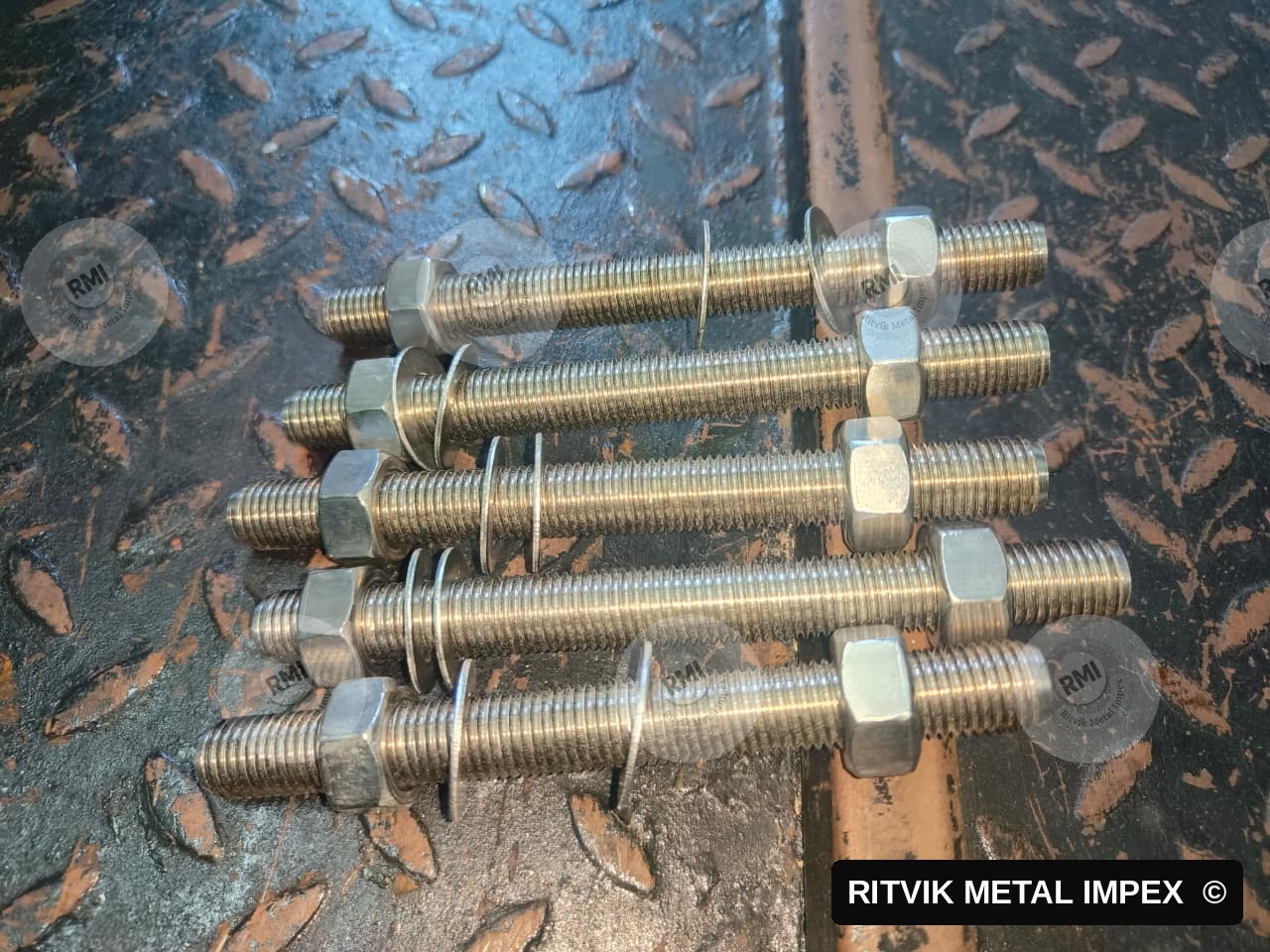
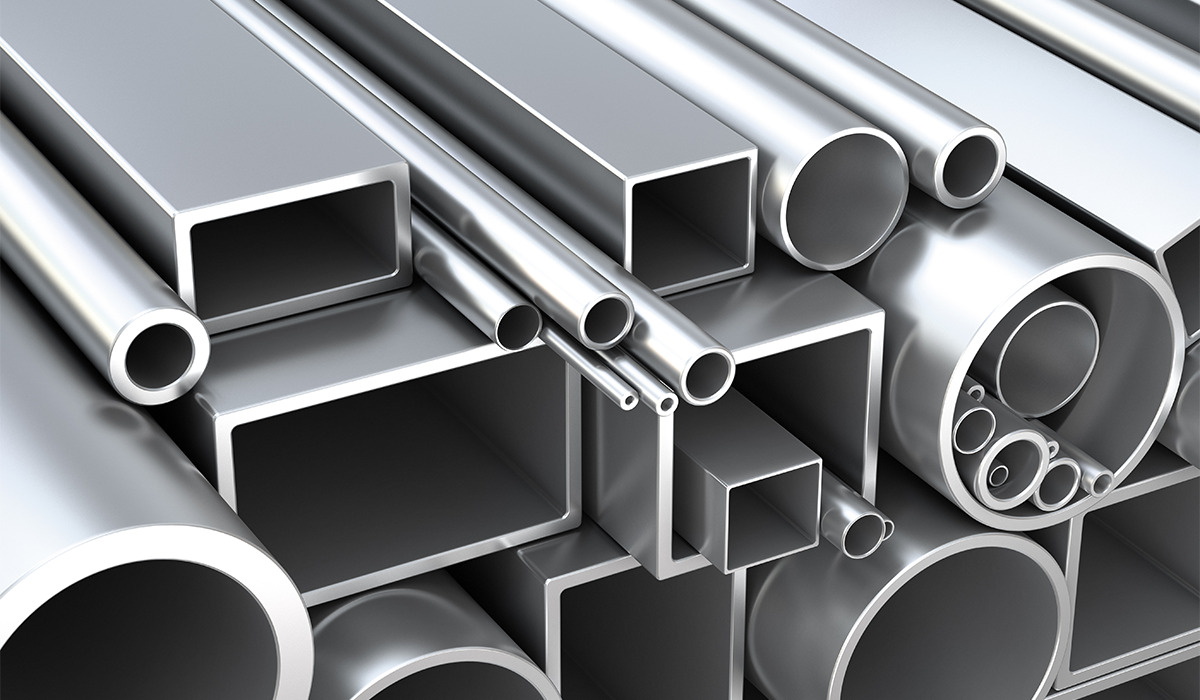
For process piping, heat exchanger tubing, tank linings, anodising jigs and most fasteners in chemical plant, Grade 2 is the answer. Grade 5 earns its premium in aerospace structure, high-load fasteners and rotating components.
Why price per kilogram misleads
Titanium is 4.51 g/cm³ against 8.00 for austenitic stainless. A kilogram of titanium therefore yields roughly 1.8 times the volume of a kilogram of 316, so comparing raw rates overstates the difference by a wide margin. Compare the cost of the finished component, in the quantity you actually need.
Whole-life cost matters more still. Where titanium is the right selection, it frequently outlasts several replacement cycles of a stainless component, and in a plant where a shutdown costs more than the material, that is the number that decides.