Buttweld fittings: the process-piping default
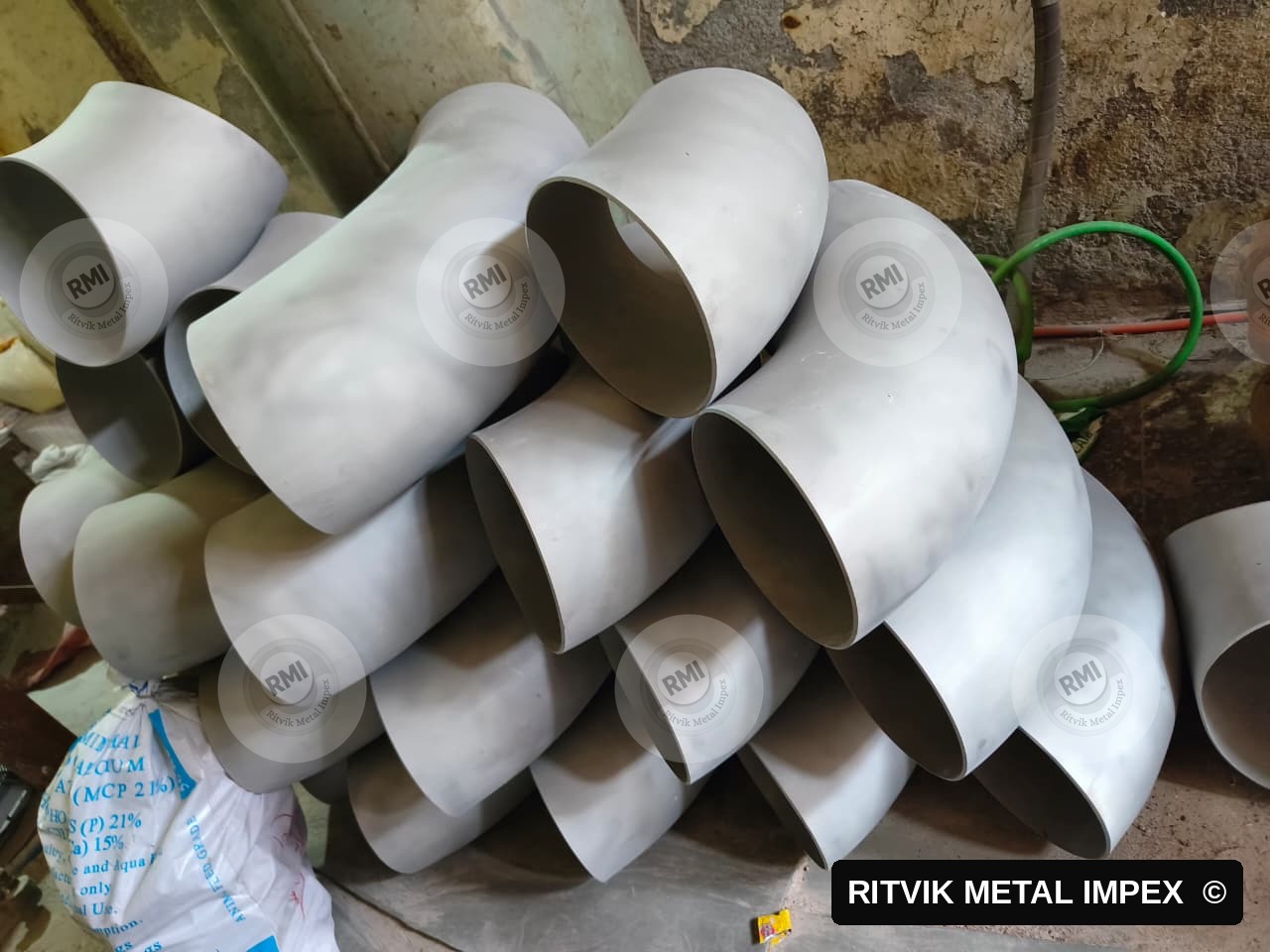
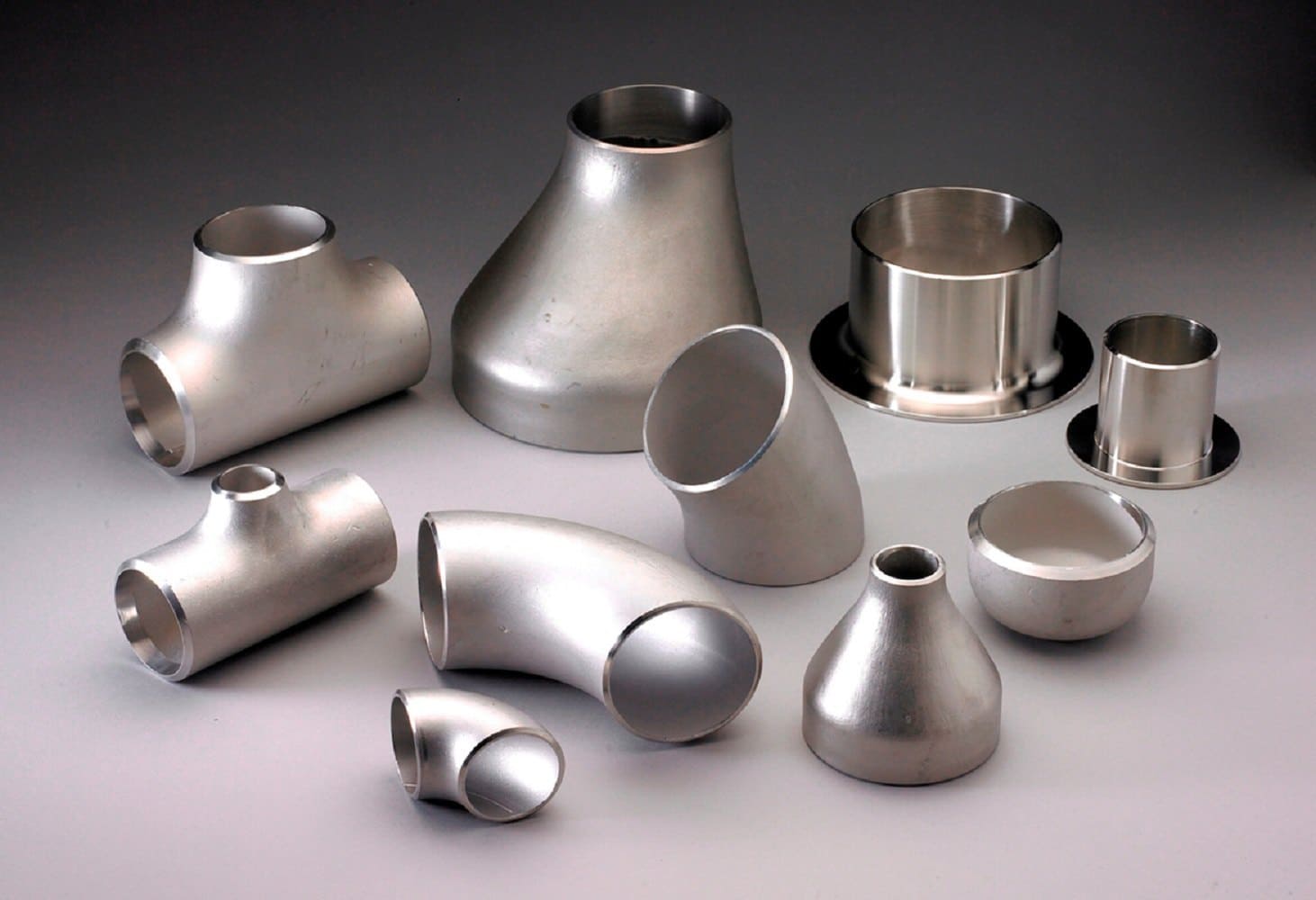
A buttweld fitting is bevelled to match the pipe end and welded around the full circumference, producing a continuous, full-penetration joint with essentially the same bore as the pipe. Dimensions follow ASME B16.9, and the fitting inherits its pressure rating from the pipe wall thickness rather than carrying a separate class.
- ▸Full bore — no restriction, no turbulence, minimal pressure drop.
- ▸Radiographically inspectable, which is why code-critical lines specify it.
- ▸No crevice at the joint, so no crevice corrosion initiation site.
- ▸Available from 1/4" to 32" NB seamless and up to 48" NB and beyond welded, in schedules 5S to XXS.
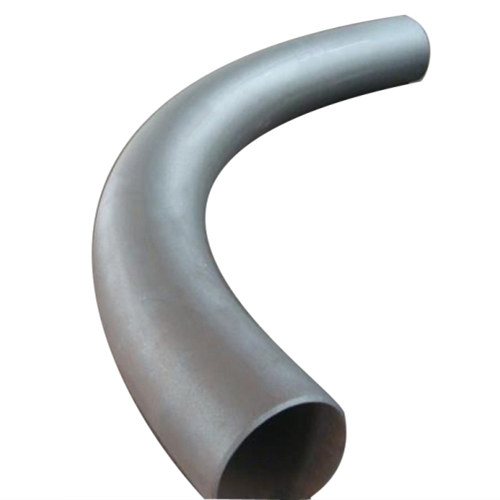
- ▸Common types: 45° and 90° elbows, equal and reducing tees, concentric and eccentric reducers, caps, stub ends, return bends, crosses.
The trade-off is fabrication effort. Buttweld joints require accurate bevelling, alignment and fit-up, a qualified welder and — usually — NDE. On a small-bore utility line that overhead is disproportionate; on a 12" NB process header it is exactly what you want.
Socketweld fittings: strength in small bore
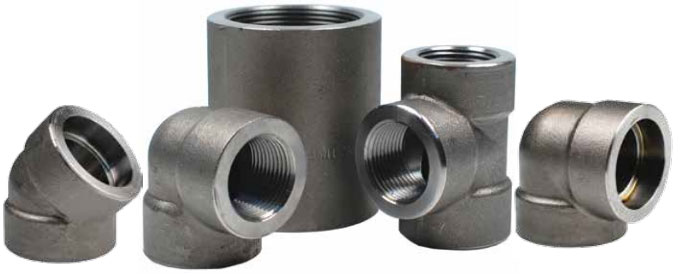
A socketweld fitting has a machined recess. The pipe is inserted, backed off approximately 1.5 mm from the shoulder to allow for thermal expansion, and fillet-welded on the outside. Dimensions and class designations come from ASME B16.11, and the fittings are forged rather than cast, giving a worked grain structure and better mechanical properties.
| Class | Matched pipe schedule | Typical use |
|---|---|---|
| 3000# | Schedule 80 / XS | The standard stocked class for small-bore process piping |
| 6000# | Schedule 160 | Higher-pressure service on heavier-wall pipe |
| 9000# | XXS | Extreme-pressure small bore, hydraulic and instrument lines |
- ▸Easier fit-up than buttweld — no bevelling, and the socket self-aligns the joint.
- ▸Practical up to about 2" NB; beyond that, buttweld is more economical and more inspectable.
- ▸The expansion gap is not optional: welding a bottomed-out pipe puts residual stress into the weld root and is a classic cause of cracking.
- ▸The internal crevice between pipe OD and socket bore can trap process fluid, so socketweld is generally avoided in high-purity, hygienic and severely corrosive services.
- ▸Cannot be radiographed — inspection is limited to visual and surface methods such as dye penetrant or magnetic particle.
Threaded (screwed) fittings: where dismantling matters
Threaded fittings use NPT or BSP threads and require no welding at all, which makes them the practical choice where hot work is prohibited, where the joint must be opened for maintenance, or on low-pressure utility and instrument lines. They share the ASME B16.11 pressure classes with socketweld fittings.
- ▸No welding — installable by fitters without welder qualification, and safe in areas where hot work permits are difficult.
- ▸Readily dismantled for maintenance, instrument replacement and calibration.
- ▸Inherently a leak path: sealant or PTFE tape and correct make-up torque are essential.
- ▸Threading reduces the effective wall, so threaded joints are derated relative to welded ones.
- ▸Poor choice under vibration or thermal cycling — threads loosen and fatigue-crack at the first engaged thread.
Quick decision matrix
| Criterion | Buttweld | Socketweld | Threaded |
|---|---|---|---|
| Typical size range | 2" NB and above | Up to 2" NB | Up to 2" NB |
| Governing dimensional standard | ASME B16.9 | ASME B16.11 | ASME B16.11 |
| Pressure capability | Highest — matches pipe | High (3000/6000/9000#) | Moderate (derated by threading) |
| Radiographic inspection | Yes | No | No |
| Crevice / dead leg | None | Yes, at the socket | Yes, at the threads |
| Dismantling | Cut and re-weld | Cut and re-weld | Unscrew |
| Installed cost, small bore | Higher | Moderate | Lowest |
| Best for | Critical process lines, hazardous fluids | Small-bore high-pressure lines | Utility, instrument and low-pressure service |
Material grades and what to state on your enquiry
All three fitting types are available across the same grade families, so specify the material standard alongside the joint type:
- ▸Buttweld: ASTM A403 WP304/304L/316/316L/321/347 (stainless), A234 WPB (carbon steel), A234 WP1/WP5/WP9/WP11/WP22/WP91 (alloy), A815 (duplex), B366 (nickel alloys).
- ▸Forged socketweld and threaded: ASTM A182 F304/F316/F321 (stainless), A105 (carbon steel), A350 LF2 (low-temperature carbon steel), A182 F5/F9/F11/F22/F91 (alloy).
- ▸State size, schedule or class, end preparation, quantity, applicable NDE and certification level with the enquiry — it removes a full round of clarification emails.
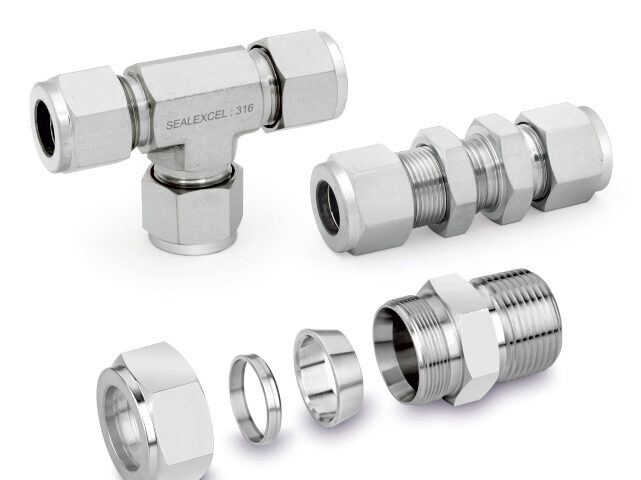
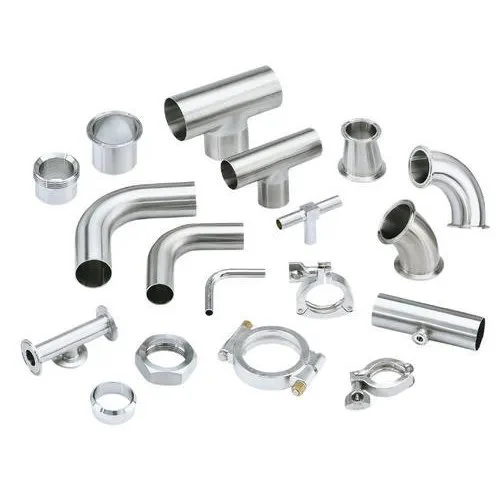
Ritvik Metal Impex supplies buttweld fittings, forged socketweld and screwed fittings, stainless steel bends, ferrule fittings and electro-polished fittings for hygienic service, with mill test certificates and third-party inspection support.